
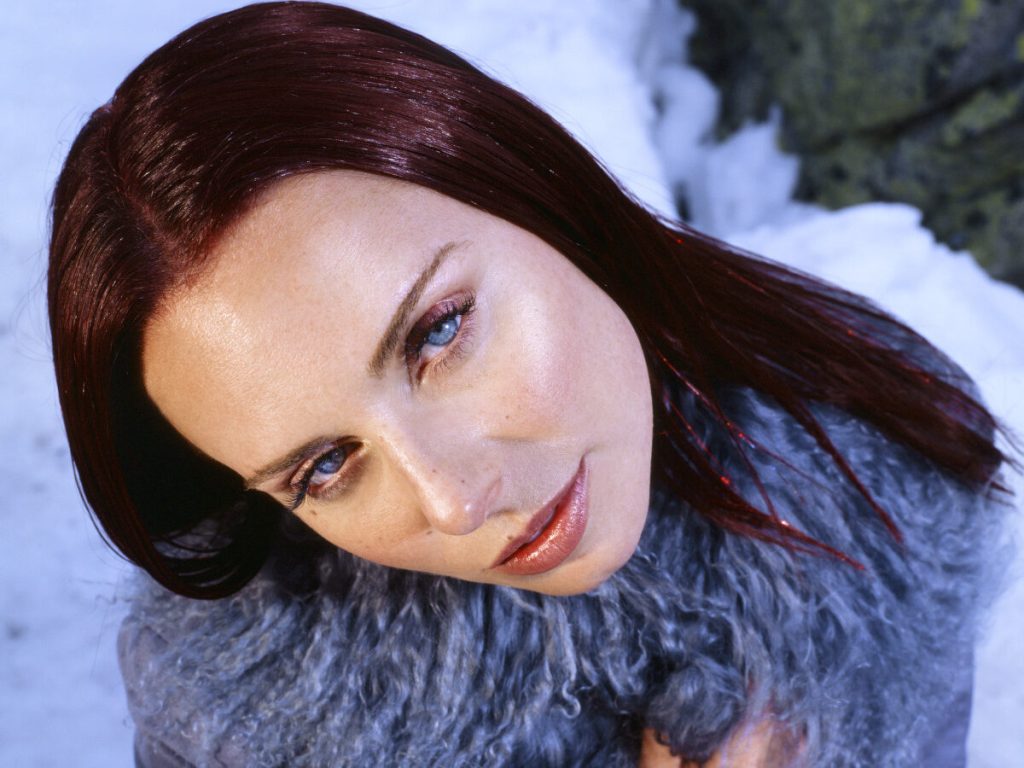
Singer Rose Gray Biography: Age, Real Name, Music Career, Songs & Facts
Rose Gray is an English singer-songwriter whose euphoric blend of dance-pop, electronic music, house, and club culture has established her as a distinctive voice in contemporary British pop. Known for energetic production, expressive vocals, and songs that capture the emotional intensity of nightlife, Gray spent years developing her identity before reaching a wider international audience with her debut studio album, Louder, Please.
Born and raised in London, Rose Gray has drawn heavily on the city’s nightlife and underground music culture. Her career has not followed an effortless path: an early record deal ended without providing the breakthrough she hoped for, and she subsequently had to rebuild her musical catalog and artistic direction. That experience ultimately helped shape the confident dance-oriented sound for which she is now recognized.
Here is a complete look at Rose Gray’s biography, including her real name, age, early life, musical career, albums, songs, style, and personal life.
Who Is Rose Gray?
Rose Gray is a British singer and songwriter specializing primarily in dance-pop and electronic pop. Her full name is Rosie May Hudson-Edmonds, while Rose Gray is the professional name she uses for her music career.
Gray began officially releasing music in 2019. Her early material demonstrated a broader pop and soul influence, but as her career developed, she increasingly embraced electronic production, house music, and the sounds associated with London’s club scene.
That evolution became central to her artistic identity. Rather than treating dance production simply as a backdrop for conventional pop songwriting, Gray incorporates club culture into the atmosphere and storytelling of her music.
Her releases include the 2021 project Dancing, Drinking, Talking, Thinking, the EPs Synchronicity and Higher Than the Sun, and her 2025 debut studio album, Louder, Please.
Rose Gray Age and Early Life
Rose Gray was born on December 31, 1996, in London, England. As of September 2026, she is 29 years old and will turn 30 on December 31, 2026.
Gray was born in Muswell Hill in North London and grew up primarily around Highams Park and Walthamstow in East London. Her connection with London would later become an important part of both her music and visual identity.
Music was present from an early age. Gray grew up in a creative environment, with her mother and stepfather working as actors. She began developing an interest in songwriting and performance while still young and participated in singing competitions as a child.
By her teenage years, music had become more than a hobby. Gray was already writing songs and working toward a professional career, laying the foundations for the artist she would eventually become.
Rose Gray Biography at a Glance
| Category | Details |
|---|---|
| Professional Name | Rose Gray |
| Full Name | Rosie May Hudson-Edmonds |
| Date of Birth | December 31, 1996 |
| Age | 29 years old as of September 2026 |
| Birthplace | Muswell Hill, London, England |
| Nationality | English/British |
| Profession | Singer, songwriter |
| Genres | Dance-pop, electronic pop, house-influenced pop |
| Instrument | Vocals |
| Years Active | 2019–present |
| Debut Single | Good Life |
| Early Project | Dancing, Drinking, Talking, Thinking |
| EPs | Synchronicity, Higher Than the Sun |
| Debut Studio Album | Louder, Please |
| Expanded Album | A Little Louder, Please |
Rose Gray’s Early Music Career
Rose Gray’s route into the music business was complicated.
As a teenager, she signed an early record agreement and wrote a substantial amount of music during that period. However, the arrangement did not develop into the career she had expected. When she left, she was unable to take the catalog of songs she had created with her.
For a young songwriter, losing access to such a large body of work represented a significant reset.
Instead of immediately pursuing another conventional record deal, Gray spent time discovering what kind of artist she wanted to become. London nightlife became particularly influential during this period.
She immersed herself in club culture, listening closely to DJs, electronic music, and dance records. She also briefly worked on the door at London’s famous Fabric nightclub.
Those experiences proved important because they helped Gray recognize how naturally her voice and songwriting could fit within electronic and dance production.
Beginning Again With “Good Life”
Gray eventually returned to releasing her own material and issued “Good Life” in 2019, marking the beginning of the recorded career associated with her current artistic identity.
Her early songs were not identical to the full-scale club-pop sound she later adopted. Elements of soul, pop, and singer-songwriter music could still be heard.
That gradual transformation is an important part of the Rose Gray story.
Rather than arriving with a fully predetermined image, she developed her sound through experimentation. As electronic production became increasingly prominent, Gray discovered a musical space combining melodic pop songwriting with the energy of dance floors and late-night club environments.
Dancing, Drinking, Talking, Thinking
In 2021, Rose Gray released Dancing, Drinking, Talking, Thinking, a seven-track project that represented another important stage in her development.
Its title neatly captured recurring themes that would continue through her later work: nightlife, relationships, emotional conversations, freedom, uncertainty, and the experiences surrounding young adulthood.
Although Gray would subsequently move further into dance music, the project demonstrated her interest in turning everyday experiences into personal pop songwriting.
It also helped bridge her earlier musical identity with the electronic direction that followed.
Synchronicity EP
Rose Gray’s transition toward dance-pop became much clearer with the release of ** Synchronicity in 2022**.
The EP placed electronic production at the center of her sound and helped establish the musical identity that became associated with Gray’s later work.
Instead of separating pop melodies from club music, she began combining them directly. Strong vocals, electronic rhythms, synthesizers, and dance-floor momentum became increasingly recognizable characteristics.
For listeners discovering Rose Gray through her later releases, Synchronicity provides useful insight into how her modern sound took shape.
Higher Than the Sun
Gray continued that progression with the ** Higher Than the Sun EP in 2023**.
By this stage, the connection between her music and club culture was firmly established. Her songs increasingly occupied the space between accessible pop and underground-inspired dance music.
The project strengthened her reputation as an emerging British dance-pop artist and prepared the ground for a full-length debut.
Her growing catalog also showed that nightlife in Gray’s music was about more than partying. The dance floor could represent freedom, romance, escape, friendship, vulnerability, and emotional release.
Louder, Please: Rose Gray’s Debut Album
A major breakthrough in Rose Gray’s career came with ** Louder, Please**, her debut studio album, released in January 2025.
The album brought together years of musical experimentation and presented Gray’s dance-pop identity on a larger scale.
Its sound incorporates elements of house, electronic pop, synth-pop, techno-influenced production, and other forms of club music. At the same time, Gray maintained the melodic songwriting necessary to make the record accessible beyond dance-focused audiences.
Songs associated with the album era include “Free,” “Switch,” “Angel of Satisfaction,” “Wet & Wild,” and “Party People.”
The title Louder, Please also suited Gray’s personality as an artist: ambitious and energetic but playful rather than excessively self-serious.
A Little Louder, Please
Gray extended the world of her debut album with ** A Little Louder, Please** in October 2025.
The expanded edition added new material and collaborations, allowing the album era to continue while showing another stage in Gray’s development.
The project included the single “April” and collaborations involving artists such as Melanie C, JADE, Shygirl, and Casey MQ.
Rather than functioning simply as an appendix to the original album, the expanded release demonstrated how Gray’s music could move between contemporary pop and different generations of British dance culture.
Rose Gray’s Music Style
Rose Gray’s music is most commonly associated with dance-pop, electropop, house, and electronic club music.
However, describing her exclusively as a dance singer overlooks an important aspect of her work. Gray approaches club music as both a musical language and a storytelling environment.
Her songs often evoke crowded dance floors, late-night conversations, romantic encounters, impulsive decisions, emotional highs, and the strange intimacy that can develop during a night out.
Key elements of Rose Gray’s sound include:
- Strong, expressive lead vocals
- House and electronic rhythms
- Bright synthesizers
- Pop-focused melodies and hooks
- Club-oriented production
- Personal and conversational lyrics
- Influences from London nightlife
- References to 1990s and 2000s dance culture
- A balance of euphoria and vulnerability
This combination allows Gray’s music to work in several environments. It can function as straightforward dance music while still retaining the personality and narrative detail of singer-songwriter pop.
Rose Gray’s Most Notable Songs
Rose Gray has developed a catalog spanning several phases of her career.
Among the songs frequently associated with her rise are:
“Good Life” – One of her earliest official releases and an introduction to her recording career.
“Synchronicity” – Representative of Gray’s transition toward a more electronic and club-focused identity.
“Ecstasy” – A dance-oriented track reflecting the euphoric side of her songwriting.
“Sun Comes Up” – Another example of the energetic electronic style that helped define her early EP era.
“Free” – A key track from the Louder, Please campaign and a strong expression of Gray’s modern dance-pop approach.
“Switch” – A sleek club-pop track that helped introduce the sound of her debut album.
“Party People” – One of the most direct expressions of the nightlife atmosphere surrounding Louder, Please.
“April” – Released during the expanded A Little Louder, Please era.
Her 2026 releases have continued the club-focused direction, demonstrating that dance music remains central to her evolving artistic identity.
Rose Gray and London’s Club Culture
London is more than simply Rose Gray’s birthplace. The city plays a major role in understanding her artistic development.
Growing up around East London exposed Gray to a mixture of music, nightlife, fashion, and creative communities. As she became older, clubs provided a space where she could encounter sounds that differed from the conventional singer-songwriter approach she had previously explored.
This experience eventually changed the way she wrote.
Electronic music allowed her to combine emotional vocals with physical energy. A song could communicate vulnerability while still making an audience dance.
That tension between introspection and celebration has become one of the defining features of Rose Gray’s music.
Rose Gray and Harris Dickinson
Rose Gray has also attracted public attention because of her long-term relationship with English actor Harris Dickinson.
Gray and Dickinson have known each other since their school years in London and have maintained a long-term relationship while developing separate careers in music and film.
Their creative worlds have occasionally overlapped professionally. Dickinson directed the music videos for Gray’s songs “Blue” and “Afraid of Nothing.”
Despite their public careers, they have generally kept much of their relationship outside the spotlight.
Rose Gray’s Career Growth
The most notable element of Rose Gray’s career is its gradual development.
She experienced the music industry at a young age, encountered an early professional setback, stepped away from the path she initially imagined, and eventually returned with a clearer understanding of her artistic identity.
Instead of attempting to recreate the music she had made as a teenager, Gray used her experiences in London’s nightlife to reshape her sound.
By the time Louder, Please arrived, she had built an identity that connected pop songwriting with the atmosphere of British and European club culture.
Her profile expanded further through live performances and touring, including appearances supporting established artists and performances outside the United Kingdom.
In 2026, Gray was also recognized on the BRIT Awards Critics’ Choice shortlist, reflecting the increased industry attention surrounding her work following the release of her debut album.
Interesting Facts About Rose Gray
Rose Gray was born on New Year’s Eve, a fitting detail for an artist whose music has become strongly associated with celebration and nightlife.
Her real name is Rosie May Hudson-Edmonds, although she performs professionally as Rose Gray.
She grew up around Walthamstow and Highams Park in East London, areas that contributed to her connection with London’s creative and nightlife communities.
Gray pursued music from a young age and participated in singing competitions during childhood.
An early record deal ended before she established her current career, requiring her to rebuild her catalog.
She briefly worked at the door of Fabric, one of London’s best-known nightclubs.
Her debut studio album, Louder, Please, arrived in 2025, several years after she began officially releasing music.
Her music combines mainstream pop instincts with influences from house, techno, electronic music, and club culture.
Rose Gray Discography Overview
Mixtape
- Dancing, Drinking, Talking, Thinking — 2021
EPs
- Synchronicity — 2022
- Higher Than the Sun — 2023
Studio Album
- Louder, Please — 2025
Expanded Edition
- A Little Louder, Please — 2025
Her discography also includes numerous singles released before, during, and after these projects.
Why Rose Gray’s Music Stands Out
Rose Gray occupies an interesting position within modern British pop because she does not treat electronic music merely as a fashionable production choice.
Club culture is embedded in her artistic story.
Her years spent navigating London’s nightlife influenced how she thinks about rhythm, performance, community, and songwriting. The result is music designed to capture both the physical excitement of dancing and the emotional experiences that surround a night out.
That approach gives her work a recognizable identity within an increasingly crowded dance-pop landscape.
Rose Gray Biography FAQs
What is Rose Gray’s real name?
Rose Gray’s full name is Rosie May Hudson-Edmonds. Rose Gray is her professional stage name.
How old is Rose Gray?
Rose Gray was born on December 31, 1996. She is 29 years old as of September 2026.
Where is Rose Gray from?
She is from London, England. She was born in Muswell Hill and grew up around Highams Park and Walthamstow.
What type of music does Rose Gray make?
Rose Gray primarily makes dance-pop and electronic pop, incorporating influences from house, techno, synth-pop, and club music.
When did Rose Gray start her music career?
Gray began officially releasing music under her current career in 2019, starting with the single Good Life.
What is Rose Gray’s debut album?
Her debut studio album is ** Louder, Please**, released in January 2025.
Is Rose Gray dating Harris Dickinson?
Rose Gray and English actor Harris Dickinson have publicly been described as long-term partners. They have known each other since their school years and have occasionally collaborated creatively.
Final Thoughts on Rose Gray
Rose Gray’s biography is ultimately a story of artistic reinvention. After entering the music industry at a young age and experiencing an early setback, she rebuilt her career around a sound that felt more closely connected to her own experiences.
London club culture became the environment in which that identity took shape.
From Dancing, Drinking, Talking, Thinking and Synchronicity to Higher Than the Sun and Louder, Please, her catalog documents a steady movement toward confident, euphoric electronic pop.
With a distinctive vocal presence, an increasingly international audience, and a musical identity rooted in both personal songwriting and dance-floor energy, Rose Gray has developed into a notable figure in the new generation of British dance-pop artists.